

Ho Chi Minh City (HCMC), affectionately known as Saigon, is a bustling metropolis that pulses with energy, culture, and chaos in equal measure. As the economic and cultural heart of Vietnam, HCMC can feel overwhelming to first-time visitors, especially when it comes to getting around. If you’re staying in District 1—the vibrant central hub where iconic landmarks, street food, and nightlife converge—you’re in the perfect spot to explore the city. Whether you’re based at a central hotel like La Siesta Premium Saigon or elsewhere in the district, this guide will equip you with detailed transport tips to navigate HCMC with confidence. From motorbikes to metro lines, let’s break down the best ways to move through this dynamic city starting from District 1.
Why District 1 is the Ideal Starting Point
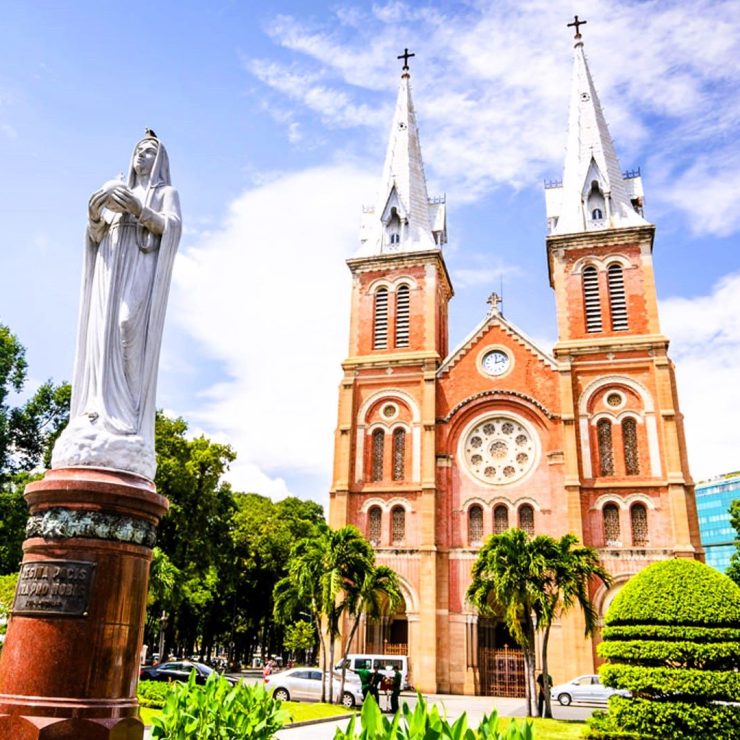
District 1 is the beating heart of HCMC, home to major attractions like Ben Thanh Market, Notre-Dame Basilica, the Saigon Opera House, and the lively Bui Vien Walking Street. It’s also a transportation hub with easy access to taxis, buses, and ride-hailing services, making it an ideal base for exploring both within and beyond the city center. Staying at a well-located spot like La Siesta Premium Saigon puts you within walking distance of many sights and offers concierge services to help arrange transport for farther destinations. However, with HCMC’s sprawling layout and notorious traffic, understanding your options is key to a smooth journey.
Understanding HCMC’s Transport Landscape
HCMC is a city of over 9 million people, and its streets are a chaotic symphony of motorbikes, cars, and pedestrians. Public transport is evolving, with the first metro line recently opened, but much of the city still relies on informal and flexible modes of travel. Traffic can be intimidating—motorbikes swarm in every direction, and road rules often seem optional. Yet, with a little know-how, navigating this chaos becomes an exciting part of the Saigon experience. Here are the main transport options available from District 1, along with tips to use them effectively.
1. Walking: Exploring District 1 on Foot
- Best For: Short distances within District 1, sightseeing, and soaking in the atmosphere.
- Why Use It: Many of District 1’s top attractions are within a 1-2 kilometer radius, making walking a convenient and cost-free option. Streets like Dong Khoi and Nguyen Hue are pedestrian-friendly (especially the latter, a walking street with no vehicles), and you’ll stumble upon charming cafes, street vendors, and colonial architecture along the way.
- How to Do It: Start from a central point like La Siesta Premium Saigon, which is near key spots like Ben Thanh Market (10-minute walk) or the Saigon River (15-minute walk). Use Google Maps or offline apps like Maps.me for navigation, as street signs can be inconsistent.
- Cost: Free!
- Tips:
- Wear comfortable shoes and light clothing—HCMC is hot and humid year-round.
- Be cautious when crossing streets. Traffic rarely stops, so look both ways, walk steadily, and follow the flow of locals. Drivers anticipate pedestrian movement and adjust accordingly.
- Stick to sidewalks where available, but watch for motorbikes parked or driving on them.
- Avoid walking long distances during peak traffic hours (7-9 AM, 5-7 PM) due to noise and pollution.
2. Motorbike Taxis (Xe Om) and Ride-Hailing Apps
- Best For: Quick, affordable trips across districts or navigating traffic-heavy areas.
- Why Use It: Motorbikes are the lifeblood of HCMC, weaving through gridlock with ease. Traditional xe om (motorbike taxis) are found on street corners, while modern ride-hailing apps like Grab (the most popular in Vietnam) offer convenience and safety.
- How to Do It:
- Xe Om: Look for drivers wearing vests or helmets near busy intersections in District 1, like around Ben Thanh Market. Negotiate the fare upfront—expect 20,000-50,000 VND (~$0.80-2 USD) for short trips within District 1 or slightly more for nearby districts.
- Grab: Download the Grab app, link a payment method (cash or card), and book a motorbike (GrabBike) or car (GrabCar). From District 1, a GrabBike ride to District 3 or 5 costs around 30,000-60,000 VND (~$1.20-2.50 USD). Pick-up points are often near your hotel or a landmark.
- Cost: Varies by distance; Grab fares are transparent on the app, while xe om requires bargaining.
- Tips:
- Always wear a helmet (provided by drivers or on Grab bikes). Safety first!
- Confirm the price before starting with xe om to avoid overcharging.
- Use Grab for language barriers—destinations are entered in the app, reducing miscommunication.
- Hold on tight and trust the driver—they’re experts at navigating HCMC’s chaos.
3. Taxis and Ride-Hailing Cars
- Best For: Comfortable travel, especially for families, groups, or longer distances.
- Why Use It: Taxis and car services offer air-conditioned comfort and are ideal for trips to farther areas like the Cu Chi Tunnels or Tan Son Nhat International Airport (about 8 km from District 1).
- How to Do It:
- Traditional Taxis: Flag down reputable companies like Mai Linh (green) or Vinasun (white with red stripes) on District 1 streets. Insist on using the meter; a trip within District 1 starts at 12,000-15,000 VND (~$0.50-0.60 USD) plus distance.
- GrabCar or BeCar: Book via the Grab or Be app for a private car. From District 1 to the airport, expect 150,000-200,000 VND (~$6-8 USD).
- Cost: More expensive than motorbikes but still affordable compared to Western standards.
- Tips:
- Avoid unmarked or unofficial taxis to prevent scams. Stick to trusted brands or app-based services.
- Traffic can double travel time during rush hours—plan accordingly.
- If staying at La Siesta Premium Saigon, the concierge can arrange a reliable taxi or private transfer for added peace of mind.
4. Public Buses: Budget-Friendly but Tricky
- Best For: Budget travelers and longer intra-city trips.
- Why Use It: HCMC’s public bus system is cheap and covers most districts, though it’s less tourist-friendly due to language barriers and crowded conditions.
- How to Do It: Key bus stops in District 1 include Ben Thanh Bus Station (near the market) and along Ham Nghi Street. Routes like Bus 1 (to Cholon in District 5) or Bus 152 (to the airport) are useful. Check routes on apps like Moovit or at bus stop signs. Tickets are bought onboard from the conductor.
- Cost: 6,000-10,000 VND (~$0.25-0.40 USD) per ride, depending on distance.
- Tips:
- Carry exact change, as conductors may not have much.
- Buses can be packed during peak hours—be prepared to stand.
- Routes and stops aren’t always clear; ask locals or your hotel staff for help. La Siesta Premium’s team can point you to the right stop or suggest alternatives.
- Allow extra time, as buses are slower due to traffic and frequent stops.
5. Cyclo: A Traditional but Tourist-Oriented Option
- Best For: Short, scenic rides within District 1 for a cultural experience.
- Why Use It: Cyclos are three-wheeled bicycle taxis, a nostalgic remnant of old Saigon, offering a leisurely way to see sights like the Post Office or Independence Palace.
- How to Do It: Find cyclos near tourist spots in District 1, such as around Notre-Dame Basilica. Negotiate a fare or agree on a 30-60 minute tour, typically costing 100,000-200,000 VND (~$4-8 USD).
- Cost: Higher than practical options due to its tourist appeal.
- Tips:
- Agree on the price and route beforehand to avoid surprises.
- Best for daytime or early evening rides—cyclos aren’t ideal in heavy traffic or late at night.
- Enjoy the slow pace, but don’t rely on it for urgent travel.
6. Metro: A New and Growing Option
- Best For: Efficient travel along specific routes (currently limited).
- Why Use It: HCMC’s first metro line, Line 1 (Ben Thanh to Suoi Tien), opened in late 2024, connecting District 1 to eastern suburbs. It’s modern, clean, and avoids traffic, though coverage is still limited.
- How to Do It: Access the metro from Ben Thanh Station in District 1 (near the market). Buy tickets at kiosks or use contactless cards. Trains run every 5-10 minutes during operating hours (likely 5:30 AM to 11:00 PM, subject to updates).
- Cost: Around 10,000-20,000 VND (~$0.40-0.80 USD) per trip, depending on distance.
- Tips:
- Check the latest metro map and schedule, as expansions are ongoing.
- It’s a great option for avoiding traffic, but currently only useful for specific destinations along Line 1.
- Signage is in Vietnamese and English, making it tourist-friendly.
7. Private Transfers and Day Tours
- Best For: Day trips outside HCMC (e.g., Mekong Delta, Cu Chi Tunnels) or hassle-free airport transfers.
- Why Use It: Private cars or vans offer comfort and convenience for longer journeys where public transport isn’t practical.
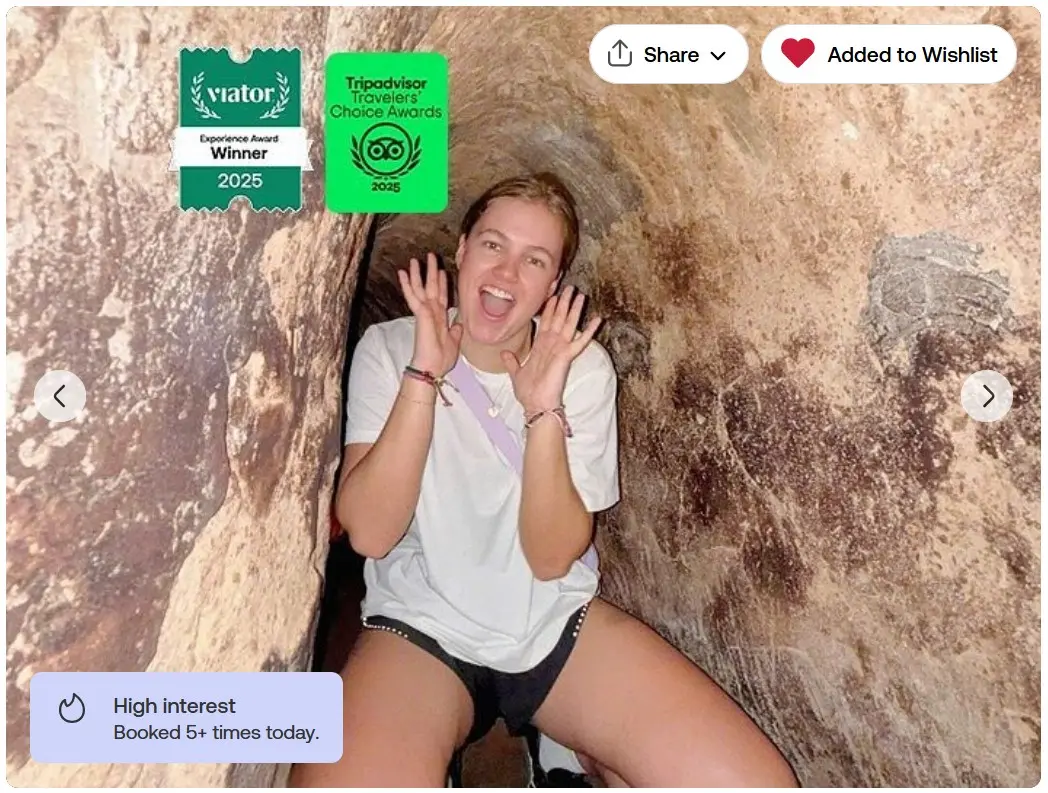
- How to Do It: Book through your hotel—La Siesta Premium Saigon excels at arranging private transfers or guided tours with trusted drivers. A trip to Cu Chi Tunnels (70 km) costs around 1,500,000-2,000,000 VND (~$60-80 USD) round trip for a small group.
- Cost: Varies widely by destination and vehicle size.
- Tips:
- Ideal for families or those prioritizing comfort over cost.
- Confirm inclusions (fuel, tolls, driver’s fee) when booking.
- Schedule early morning departures to beat traffic out of District 1.
General Tips for Navigating HCMC from District 1
To make your transport experience smoother, keep these pointers in mind:
- Traffic Awareness: HCMC’s traffic is notorious. Rush hours (7-9 AM, 5-7 PM) can turn a short trip into a long ordeal—plan travel outside these times if possible.
- Apps Are Your Friend: Download Grab for rides, Google Maps for directions, and Moovit for bus routes. Offline maps are handy if Wi-Fi is spotty.
- Cash is King: Carry Vietnamese Dong (VND) in small denominations for taxis, buses, or xe om. Many drivers don’t accept cards or give change for large bills.
- Language Barrier: Not all drivers speak English. Have your destination written down (or saved on your phone) in Vietnamese, or use translation apps like Google Translate.
- Safety First: Stick to reputable transport options, especially at night. Avoid unmarked taxis or overly pushy drivers. When on motorbikes, wear helmets and keep bags secure.
- Ask for Help: If you’re staying at La Siesta Premium Saigon, the concierge can provide maps, arrange transport, or give advice on the best options for your itinerary. Locals are also often willing to help with directions if approached politely.
Why La Siesta Premium Saigon is a Great Transport Hub
Located in the heart of District 1, La Siesta Premium Saigon offers unparalleled access to HCMC’s transport network. Whether you’re walking to nearby attractions, catching a Grab from the hotel entrance, or arranging a private transfer for a day trip, the location simplifies logistics. The hotel staff are a goldmine of local knowledge, ready to assist with booking rides, suggesting routes, or even providing tips on navigating Saigon’s infamous traffic. After a day of exploration, return to the hotel’s serene ambiance, enjoy a drink at the rooftop bar, or relax in your room knowing you’ve conquered the city’s transport maze.
Final Thoughts: Master the Move in HCMC
Navigating Ho Chi Minh City from District 1 might seem daunting at first, with its relentless traffic and myriad options, but it’s all part of the adventure. Whether you’re zipping through streets on a motorbike, strolling past colonial landmarks, or hopping on the new metro, each mode of transport reveals a different facet of Saigon’s charm. With these tips and a base like La Siesta Premium Saigon, you’ll move through the city with ease, leaving more time to savor its sights, sounds, and flavors.
So, lace up your shoes, download those apps, and dive into the dynamic streets of HCMC. Have a favorite transport hack or a memorable travel story from Saigon? Share it in the comments below—I’d love to hear how you navigated this incredible city!
Safe travels, and enjoy the ride!
Disclaimer: Prices and transport details mentioned are approximate and based on typical costs as of 2025. Always confirm current rates, schedules, and availability when planning your trip.


 English
 Spanish
 German
 French
 Japanese
 Chinese
 Korean
 Russian